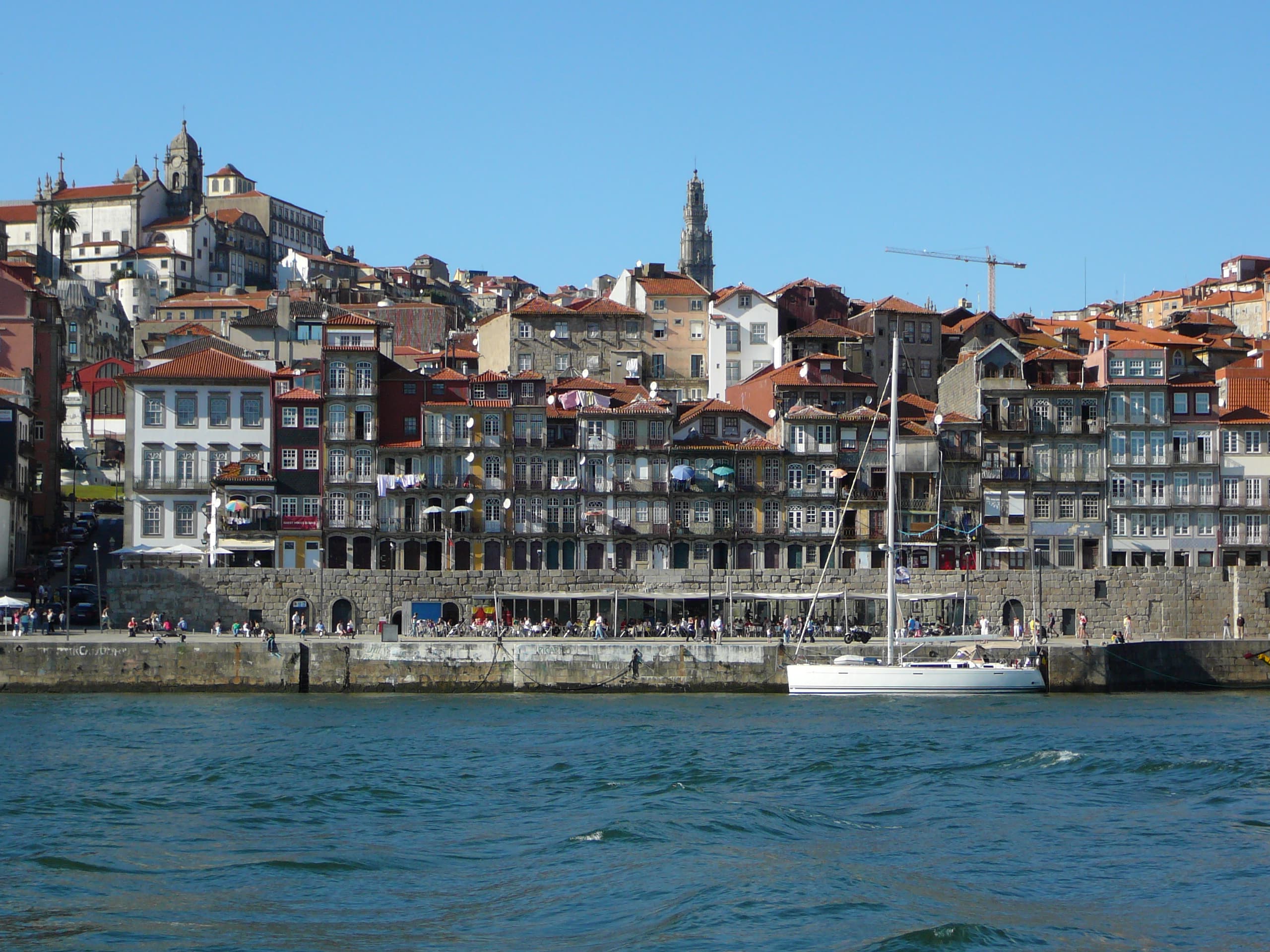
How to plan an unhurried autumn city break, from Bolhão breakfast to Ribeira, Gaia and the gardens of Serralves.

Why choose Porto for an autumn break?
Porto rewards a trip built around neighbourhoods rather than a checklist. Its riverfront offers the big view, but the pleasure of a short stay also lies in a market breakfast, tiled station walls, a long lunch and time in a garden. Three full days allow you to combine the historic centre with one afternoon across the Douro and a separate visit to Serralves. If your flight leaves early on day three, treat that as a travel day and remove an excursion rather than rushing everything.
Autumn is a useful season for this mix of indoor and outdoor experiences. Plan for changeable conditions instead of assuming a dry weekend: carry a compact waterproof jacket, choose shoes that grip wet stone and keep a museum afternoon available. Colour in the parks depends on the weather and the date; the city itself remains the reason to come. Reserve the attractions that matter most to you, while leaving ordinary walking time flexible.
Arrival, getting around and choosing your base
The official city information places the airport about 11 kilometres from Porto. Metro Line E, the violet line, connects it with Trindade in roughly 30 minutes. That estimate is the train journey, not the full door-to-door transfer: allow extra time to find the platform, obtain the correct ticket and walk to your hotel. Check the current timetable and ticket requirements through Visit Porto’s arrival information before a very early or late flight.
For a first stay, look around Trindade or Bolhão if an easy airport connection and market access matter. São Bento and the surrounding central streets put the old town close, but inspect the final approach to your accommodation: a short map distance can hide a steep climb or steps. Ribeira suits travellers who prioritise the river at their doorstep; ask about night noise, stairs and luggage access before booking. A room near a main street may be more practical than a picturesque alley for a wheelchair or pushchair.
Do not rent a car just to explore the centre. Group your walks geographically and use public transport or a taxi when a steep return climb would consume your energy. Crossing the river on foot is an experience, but the upper and lower bridge levels lead to different elevations. Decide which riverbank destination you want before starting; walking down to the water and immediately back uphill is an avoidable detour.
The sights in detail: choose the Porto you want to see
São Bento: start with the walls, not the departure board. The station is a useful introduction to Porto because a functioning transport building also provides an encounter with its decorative traditions. Step out of the flow of passengers before looking at the tile panels. A short visit works well between the market and the cathedral; allow about 20–30 minutes for an attentive look, plus any time you spend waiting for a quieter moment. It is not a reason to miss a train or obstruct a doorway. If you intend to use the station for onward travel, make sightseeing and the actual boarding process two separate tasks.
Sé and Ribeira: read the city from the top down. The cathedral area helps explain the geography you will feel under your feet for the rest of the stay. Start here before descending into the narrow streets towards the river. The appeal is the sequence: a higher view, enclosed lanes and finally the open waterfront. The official historic-centre description explains the cathedral’s mixture of Gothic, Mannerist and Baroque elements. If an interior or cloister matters to you, consult its own visitor arrangements; a photograph of the exterior is not the same experience as a paid interior visit.
Clérigos: a viewpoint with a physical commitment. Choose this if an elevated city view is a priority, and reserve a suitable time rather than treating the tower as an incidental stop. The operator’s visitor page lists normal hours of 09:00–19:00, last entry 30 minutes before closing, and a €10 general daytime tower-and-museum ticket. That is a separate purchase from the church. Allow roughly an hour as a planning estimate and ask about the climbing requirements if stairs are a concern. An afternoon visit fits more naturally into the central part of day two than into a rushed market-to-Ribeira morning.
Palácio da Bolsa and Livraria Lello: two very different interiors
Palácio da Bolsa is the strongest addition for travellers who want to understand the city’s commercial identity through a richly decorated interior. Look for the iron-and-glass dome over the Pátio das Nações and the ceremonial Salão Árabe. These rooms offer a different kind of spectacle from the riverside view. The palace’s official tourism page lists compulsory guided visits of about 30 minutes, hours of 09:00–18:30 and a €14 individual ticket. Portuguese, Spanish, French and English tours are offered, with language assigned according to arrival order. Allow 60–90 minutes in your schedule including the wait; the tour length alone is not a reliable door-to-door allowance.
Place the palace before a waterfront lunch or late in day one’s afternoon, replacing part of the unstructured river time. If language is essential, ask about the actual next suitable departure before committing to another reservation. The building is associated with the commercial association, not a royal residence. Its decoration makes more sense when seen as the presentation of trade, civic ambition and international connections rather than as an unexplained collection of ornate rooms.
Livraria Lello suits travellers specifically interested in the bookshop’s elaborate interior, crimson staircase and stained-glass ceiling. It is a ticketed visit, so do not expect to enter casually while shopping nearby. The official ticket shop listed the standard self-guided ticket-voucher at €15.95 when checked, redeemable towards a Livraria Lello Editions book. This is a conditional book credit, not a universal discount on any item. Other products may refer to separate spaces or experiences; compare the inclusions before purchasing.
Lello’s visitor rules prohibit travel bags, travel backpacks and baby carriages, and require under-12s to be accompanied by an adult. This makes it a poor choice immediately after arrival with luggage or as an unplanned pushchair stop. Its official pages display differing closing times, so use the available booking slot and confirmation for your exact date. Choose Lello or the palace if time is tight; both are worth understanding before booking, but neither is obligatory for enjoying Porto.
A street-by-street first-day route
Use this as a suggested sequence, with walking allowances for an able walker in ordinary conditions. Queues, steps, rain and photo stops can make the day longer. Start at Bolhão at 09:00, then walk through the central streets towards São Bento, allowing around 20–30 minutes including pauses. Spend a short station visit before continuing towards Sé. Give that uphill leg about 15–25 minutes rather than measuring it only by distance. By late morning you should have a good view of the historic city without committing to several paid interiors.
From Sé, choose a descent towards Rua das Flores and the lower historic district. Keep another 30–45 minutes for the walk and looking around, then stop for lunch before or near Ribeira. If you have booked Palácio da Bolsa, align lunch with the tour rather than attempting to squeeze the palace between two fixed restaurant times. An afternoon on the waterfront can include a river excursion, but it can also remain a walk and a long coffee. Return via a route or transport option that suits your energy.
On a Sunday, reverse the priorities: begin with São Bento and the historic walk, use the middle of the day for a selected interior, and move Bolhão to Monday. If you are arriving at lunchtime, remove the cathedral interior and palace rather than walking faster. The point of the route is to connect places naturally, not to prove that all the city’s landmarks fit into one day.
An Atlantic alternative: Foz and Matosinhos
For a fourth day, or as a replacement for Serralves if contemporary art is not your interest, explore Porto’s Atlantic side. Foz changes the atmosphere from tightly packed historic streets to waterfront air and wider views. The official Atlantic district guide connects Foz, Matosinhos Sul, beaches and Parque da Cidade. Choose one starting point and one main activity: a promenade walk, time in the park or a seafood meal. This is more satisfying than trying to add a full coastal circuit to the end of an already long art day.
Allow a half-day plus the journey from the centre. Check the current public-transport route for your chosen endpoint, then decide whether to return from the same place or continue to another stop. A coastal walk that feels easy in calm sunshine can be uncomfortable in strong wind. Stay away from exposed sea walls when waves are rough and keep photography secondary to conditions. Families can choose a short promenade stretch with a cafe stop; walkers who want a longer route should check the total distance and daylight first.
If lunch is the attraction, inspect a restaurant’s fish-pricing method before ordering. A menu may price fish by weight or as a portion, which changes what the final bill means. Ask which sides are included and how much fish is appropriate for your group. Keep the meal geographically close to your planned walk: a well-chosen coastal lunch is a useful reason to visit this part of Porto, not a reason to spend the afternoon shuttling between distant recommendations.
What the paid visits actually cost
The following examples are adult standard admission choices checked on 4 October 2026. They are not package offers and exclude food, transport, accommodation and any discounts. Choose the row that fits your interests instead of assuming more admissions make a better trip.
| Travel style | Example admissions | Admission subtotal |
|---|---|---|
| Views and gardens | Clérigos €10 + Serralves park €15 | €25 |
| Architecture and literature | Palácio da Bolsa €14 + Lello €15.95 | €29.95 |
| Art with one historic interior | Serralves all-spaces €24 + Palácio da Bolsa €14 | €38 |
Booking order and small practical decisions
Book the accommodation first, using the real approach from your arrival station as a criterion. Next choose one priority interior and one meal, then arrange a cellar tour if it is central to your trip. The Clérigos booking policy asks visitors to arrive ten minutes before their slot and restricts bags in the museum and tower. Lello also has bag and pushchair restrictions. Those details matter more than a generic instruction to “book early”: they determine whether an attraction fits the day when you have luggage or children with you.
Keep the palace’s possible language wait separate from the confirmed time of a cellar tour. A flexible river walk can absorb a delay; a second prepaid appointment cannot. On departure day, decide where bags will remain and choose a nearby activity with an easy exit. Do not turn an airport-transfer margin into the spare time for another ticketed stop. A shorter final morning with a good breakfast is usually the more practical ending to this itinerary.
Day one: Bolhão, São Bento and the historic descent
Start with Bolhão around 09:00, leaving 60–90 minutes to browse and eat. The market’s published hours are Monday–Friday 08:00–20:00 and Saturday 08:00–18:00; it is closed on Sundays and public holidays. Its restaurants have a different schedule, so an evening meal does not guarantee access to the stalls. The market FAQ also confirms four entrances and ten lifts. Shop before photographing and ask permission for close pictures of vendors.
Continue to São Bento for the station’s tiled interior, then take a relaxed route towards the cathedral area and down through the historic streets. Allow two hours with stops, rather than interpreting this as a two-hour continuous hike. The official historic district guide is useful for selecting individual buildings. Keep station circulation clear and check separate admission conditions before entering a church or paid monument.
Break for lunch before the final descent to Ribeira. Spend the afternoon beside the Douro, with enough time to sit and appreciate the opposite bank. If you want a river cruise, compare the actual departure point, length, covered seating and cancellation terms before purchasing. A boat ride is optional; the riverfront can fill a satisfying afternoon without it. Finish with dinner near your hotel so that the day ends comfortably rather than with another hill climb.
Day two: Gaia views and a considered tasting
Dedicate the second morning to the opposite riverbank in Vila Nova de Gaia. Cross at the level that fits your route, photograph the Porto panorama and leave space for coffee. Plan at least a half-day for the crossing, waterfront and one booked experience. Port cellars are separate businesses with their own tour languages and ticket inclusions: reserve directly with the chosen producer and confirm whether the ticket covers a guided visit, a tasting or both.
One cellar visit is usually enough for a first city break. Avoid stacking several tastings before lunch, and do not assume that a child ticket or alcohol-free option is available. Ask specifically when travelling with families or someone who does not drink. Travellers who prefer to skip wine can keep the riverbank walk and spend longer exploring the views and cafes. The itinerary works equally well without alcohol.
Return to central Porto for an afternoon of smaller streets and independent shops rather than adding a long regional excursion. A Douro Valley journey deserves its own travel time and planning; squeezing it into the same day as Gaia leaves little time in either place. If your main objective is the valley, add a fourth day and research the transport and seasonal tour schedule separately.
Day three: Serralves at a pace that suits you
Serralves gives the trip a different rhythm: contemporary art and landscaped grounds instead of another crowded historic street. At the research check, the official visitor page listed an all-spaces ticket at €24 and park-only entry at €15. Check precisely which buildings and exhibitions are accessible on your date, along with reductions and opening hours, before choosing. These are attraction prices, not a total daily budget.
Reserve three to four hours including a break if you want both art and outdoor time. A park-only visit makes sense for someone principally interested in gardens, but it is a poor substitute for an indoor plan in heavy rain. Read the park information to select a route rather than trying to cover every corner. Allow travel time back to the centre and do not place this visit immediately before an airport departure.
For children, choose a manageable stretch of grounds and one exhibition that matches their interests. For visitors with reduced mobility, ask Serralves about the route between the specific spaces you intend to see: an accessible entrance alone does not describe the entire experience. Keep a shorter route available and confirm assistance requirements before arrival.
Eating well without turning every meal into an attraction
Make one substantial meal a deliberate choice and let the others fit your route. A francesinha is a rich sandwich meal associated with Porto, so it works better as a planned lunch than a snack before a large dinner. Check ingredients and dietary alternatives directly with the restaurant. Market browsing is useful for discovering produce and regional specialities, while a small neighbourhood restaurant can make a calmer evening after the riverfront.
Book the meal you most care about, especially for a weekend group, and check kitchen hours rather than relying only on the door’s opening time. Ask whether bread, olives or other items placed on the table are charged before eating them. Carry water on a walking day and budget separately for a sit-down meal, drinks and paid attractions; a single headline “daily cost” conceals very different travel styles.
Practical choices at a glance
Use this table to decide where to spend your time; the durations are suggested planning allowances, not operator guarantees.
| Experience | Allow | Key decision |
|---|---|---|
| Bolhão breakfast and browsing | 60–90 minutes | Move it off Sunday or a public holiday |
| Historic centre to Ribeira | Half a day with lunch | Plan the uphill return separately |
| Gaia waterfront and one cellar | Half a day | Book the language and tasting you actually want |
| Serralves | 3–4 hours plus transport | Choose park-only or all-spaces entry |
Rain, accessibility and mistakes to avoid
In persistent rain, replace a long riverside session with a museum visit or a prebooked indoor cellar experience. Keep outdoor viewpoints for a clearer interval. Avoid rushing down slick steps, and remember that an umbrella offers little help against wind. An accessible tour route is described by Visit Portugal; use it to plan around the historic slopes, then confirm the exact hotel and attraction access that you require.
The most common planning mistake is treating Porto as flat. Another is choosing three famous ticketed attractions on one day and leaving no time for meals or queues. Build one anchor booking per half-day, place the market on an open morning, and leave the final evening near your accommodation. Families benefit from the same approach: a short walk, a seated break and a clear destination are more useful than repeatedly crossing the city.
Frequently asked questions
Is three days enough? Yes for this city-focused route, assuming three usable days. It is not enough to add a full Douro Valley excursion without sacrificing time in Porto.
Can I visit Bolhão on Sunday? The market itself lists Sunday and public-holiday closure. Move the stall visit to another morning and check restaurants separately.
Do I need to book everything? No. Reserve a specific cellar tour, important meal and any timed attraction, while keeping walks flexible.
Is this a good car-free break? Yes for the proposed route. The main physical challenge is the terrain, so plan transport for longer or steeper sections.
What should I pack? Grip-soled shoes, a waterproof layer and a small day bag. Choose comfort for hills over footwear intended only for photographs.
Research and image notes
Practical information checked on 4 October 2026 using the official sources linked above. Prices, opening hours and transport arrangements can change; recheck them for your travel date. The itinerary durations and neighbourhood choices are editorial planning suggestions. Image credit and licence above apply to the cover and article image; the photograph is an archive view, not evidence of current weather.